

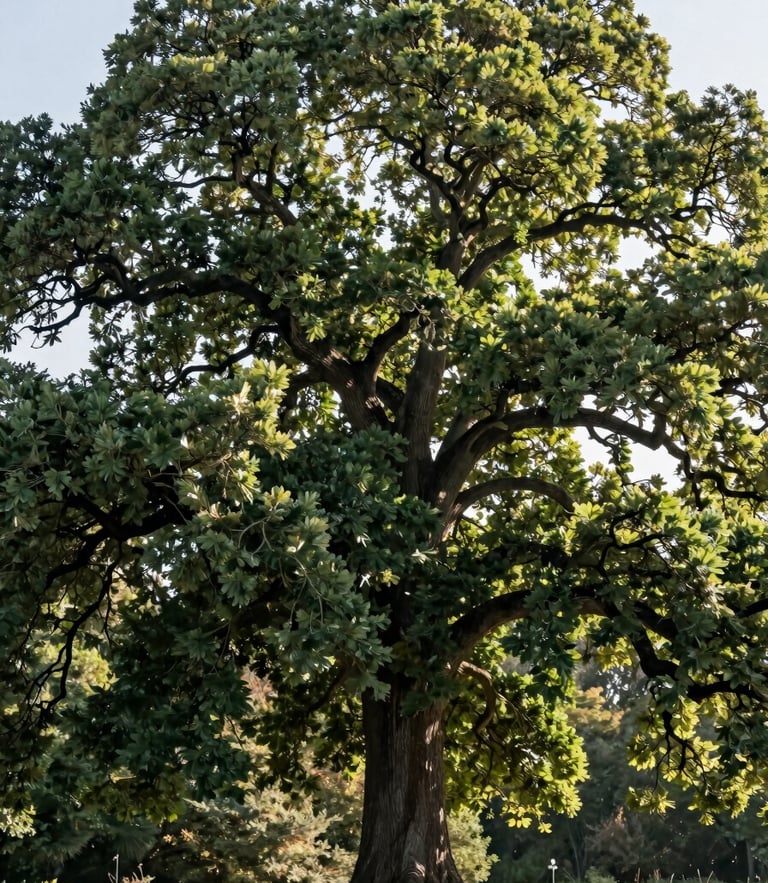
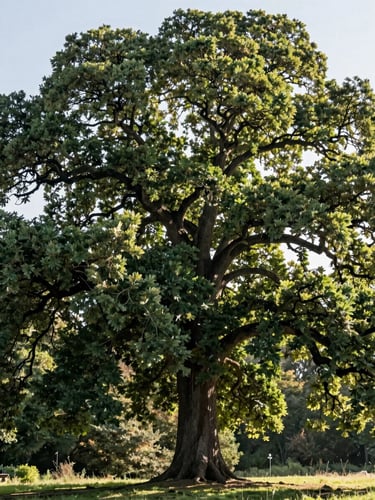
Preserving mature forest canopies
We combine scientific soil diagnostics with low-impact structural rigging to protect and extend the lifespan of your property's most valuable natural assets.
Scientific canopy analysis
Before we cut, we diagnose. We identify structural decay, fungal pathogens, and soil deficiencies at the cellular level to protect mature trees.
Pathogen screening
Structural assessment
Lab-tested tissue analysis detects vascular wilt and root rot diseases before visible crown decline begins.
Acoustic tomography and resistance drilling map internal decay without wounding the tree's protective bark.


Restoring soil vitality
Suburban lawns compact the soil, starving mature root systems of essential oxygen and water. Our low-impact pneumatic decompaction fractures compacted clay, injecting organic mycorrhizae directly into the feeding zone.
By rebuilding the underground ecosystem, we trigger natural defense mechanisms that help stressed oaks, maples, and pines resist pest infestations without chemical overload.
Preservation FAQ
Understand the science behind mature tree preservation and structural support.
When is cabling preferred over removal?
How does construction stress affect mature trees?
Are diagnostic assessments destructive?
Cabling supports co-dominant stems with weak attachments. If the root system is structurally sound, dynamic cabling extends the canopy's life for decades safely.
Heavy equipment compacts soil and severs critical feeding roots. Implementing root-protection zones before breaking ground prevents irreversible crown dieback.
No. We utilize non-invasive sonic tomography and micro-drill resistance testing to map internal trunk decay without compromising the tree's vascular system.
Protect your historic canopy
Schedule an on-site assessment with an ISA-certified arborist to diagnose structural weaknesses and restore your soil.